
Why Choose Dental Bonding for a Quick Smile Upgrade in Union
Minor enamel defects can alter overall smile symmetry. A small chip, slight gap, or uneven edge may not cause discomfort, but it can make a tooth appear worn or irregular. When the concern is limited to the outer enamel layer, dental bonding is often a conservative treatment option.
A clear explanation of indications and limitations helps patients decide whether bonding is appropriate for their specific clinical situation.
Understanding What Dental Bonding Involves
Dental Bonding in Union, NJ, repairs minor cosmetic damage by sculpting a matched resin directly onto the tooth surface. The shade is chosen to blend with adjacent enamel before placement and contouring.
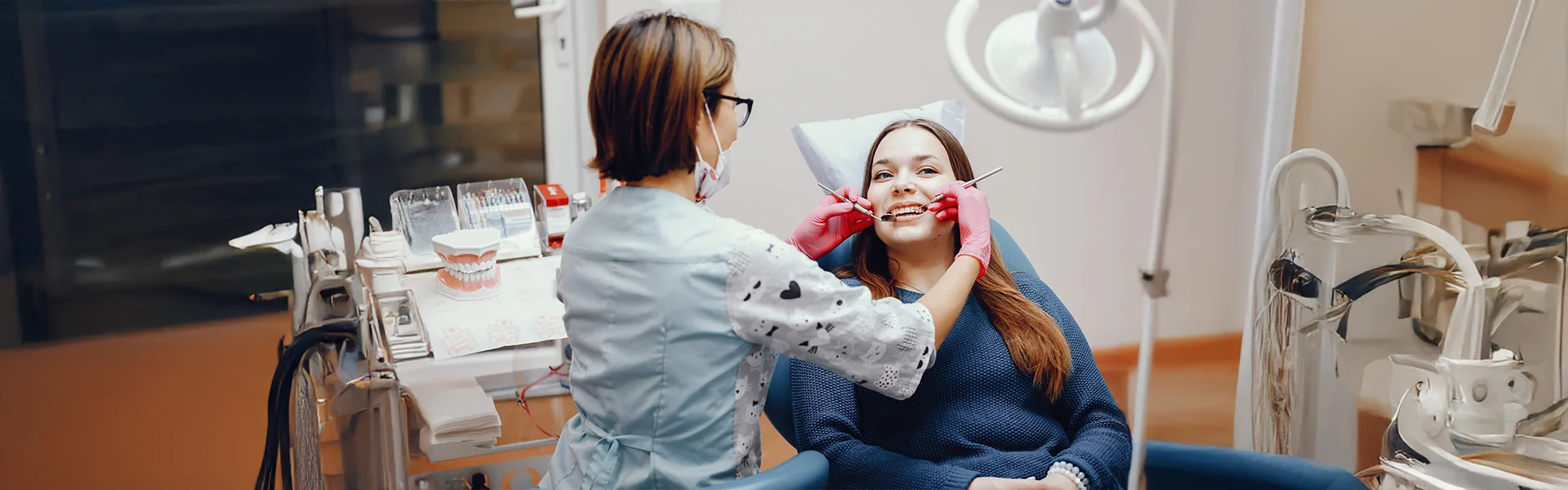
Before recommending treatment, a clinical exam is required. The dentist evaluates enamel thickness, bite alignment, the presence of decay, and any signs of grinding
Dentists recommend bonding when defects are minor and the tooth retains structural stability.
The procedure generally includes:
- Selecting a composite shade that matches the tooth
- Lightly preparing the enamel surface
- Applying a bonding agent
- Placing and shaping the composite resin
- Hardening the material with a curing light
- Adjusting and polishing the final contour
Compared to crowns or veneers, bonding typically requires minimal enamel alteration. This approach preserves natural enamel when clinical conditions support its use.
Patients seeking care from a dentist in 07083 often choose bonding when they want a single-visit cosmetic correction without extensive alteration of natural tooth structure.
Cosmetic Concerns Bonding Can Address
This approach works best for minor to moderate cosmetic concerns. It may be used to:
- Repair small chips or minor fractures
- Close slight gaps between teeth
- Refine uneven edges
- Mask mild surface discoloration
- Improve the shape of slightly irregular teeth
- Protect exposed root surfaces in select cases
Extensive structural damage or strong bite forces may require a different restorative approach. Teeth with deep internal staining or heavy grinding habits often need alternative solutions for long-term durability.
A comprehensive exam confirms that the tooth and surrounding structures are healthy before cosmetic treatment is performed. A dentist in Union, NJ will perform a detailed examination before recommending aesthetic treatment.
Appearance, Function, and Material Considerations
When carefully shaped and polished, the resin blends with the surrounding enamel in both color and contour.
Composite resin has greater surface porosity than porcelain restorations. It may stain over time and generally offers less fracture resistance than ceramic materials. The lifespan of bonded restorations is influenced by hygiene habits, chewing forces, dietary staining, and routine professional care.
Hard objects such as ice or pens should be avoided to reduce the risk of edge fracture. Routine cleanings and periodic evaluations help monitor the bonded area for wear or discoloration.
When patients search for a dentist near me for cosmetic repair, understanding the benefits and limitations of bonding helps set realistic expectations.
What Happens During a Bonding Appointment
Most cases are completed during a single appointment. After confirming that the tooth is healthy and free of decay, the dentist selects a shade that matches the surrounding enamel.
After light surface preparation, a conditioning solution enhances adhesion before the resin is layered and shaped. The material is sculpted to restore proper contour and alignment. A curing light hardens the composite, and final adjustments ensure the bite feels balanced.
In most situations, anesthesia is unnecessary unless decay removal is involved. No recovery period is required following the procedure in most cases.
During a consultation for Dental Bonding in Union, NJ, durability and aftercare recommendations are tailored to each patient’s bite and lifestyle factors.
Is Bonding the Right Choice for You
Bonding is typically considered under the following clinical conditions:
- Cosmetic damage remains limited to enamel
- The tooth structure is structurally sound
- Bite forces are balanced
- The patient understands material limitations
When tooth integrity is compromised or significant reinforcement is required, alternative restorative options may provide greater durability.
Any cosmetic correction must maintain structural support and functional stability to protect long-term oral health.